
A small enterprise can carry a large responsibility. For refugees rebuilding their lives, a business is often more than a source of income: it is a way to restore agency, provide for a family, and participate in the economy with dignity.
Why business matters for self-reliance
Displacement can take away jobs, customers, assets, and the networks that once made earning a living possible. Yet many refugees bring valuable experience in farming, trading, crafts, services, and management. The right support can help that experience become a viable livelihood again.
Business development gives people practical ways to make decisions, manage risk, and build an income that is not dependent on short-term assistance. It also creates a stronger sense of control over the future.
What helps an enterprise take root
Good business support starts with listening to entrepreneurs and understanding the local economy. A viable idea needs more than enthusiasm. It needs customers, reliable suppliers, appropriate finance, useful information, and the confidence to adapt when conditions change.
Business skills
Build practical knowledge in pricing, budgeting, record keeping, customer care, stock control, and digital tools.
Smart finance
Connect entrepreneurs to savings groups, responsible credit, start-up tools, and financial choices that match their capacity.
Market access
Link small businesses to buyers, suppliers, peer networks, employers, and opportunities beyond their immediate neighbourhood.

Income that strengthens a household
When a business begins to earn, the benefits reach far beyond the owner. Income can help a family pay school fees, access healthcare, improve food security, and invest in better tools or stock. Regular earnings also make it easier to plan, save, and respond to unexpected costs.
Enterprise can strengthen host communities too. A tailoring service employs an apprentice. A food trader buys from local farmers. A repair shop keeps essential equipment working. These connections create a local economy in which refugees and host communities can contribute to one another's progress.
- Identify a product or service that responds to real local demand.
- Start at a manageable scale and grow through learning.
- Keep clear records so decisions are based on evidence.
- Save consistently and reinvest in tools, stock, and quality.
- Build relationships with customers, suppliers, and other entrepreneurs.

Partnership turns potential into progress
Entrepreneurs should not have to build alone. Mentorship, peer learning, accessible finance, business-friendly services, and connections to vocational training can make the difference between an idea that stalls and an enterprise that survives.
Investing in refugee-led businesses is an investment in resilience. It recognises people as contributors, expands household choices, and helps communities move from relief towards a more secure and self-directed future.
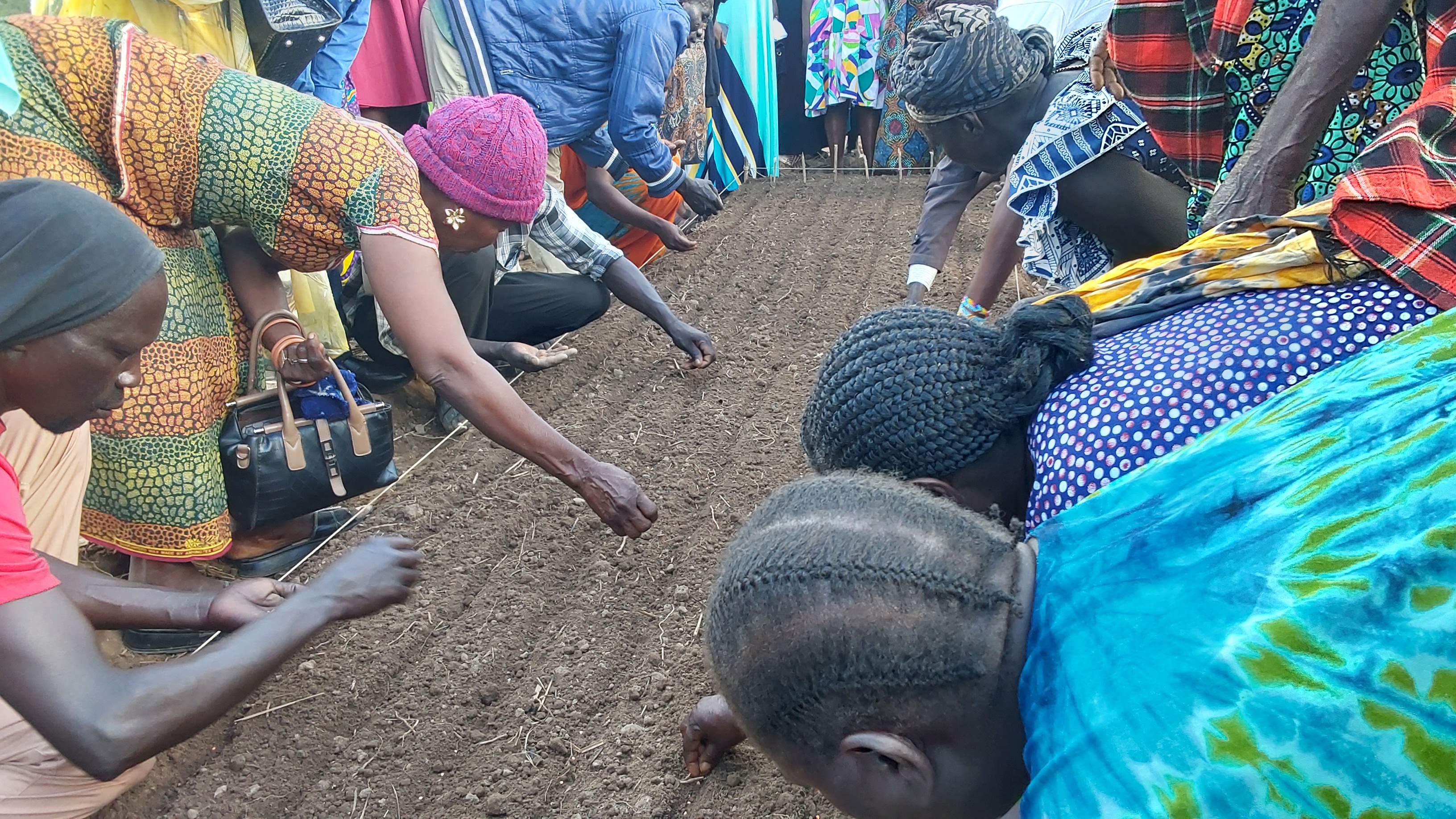
Invest in local enterprise
Supporting business development helps refugees generate income, create opportunity, and build dignified lives while contributing to stronger communities across West Nile.
Support income generation